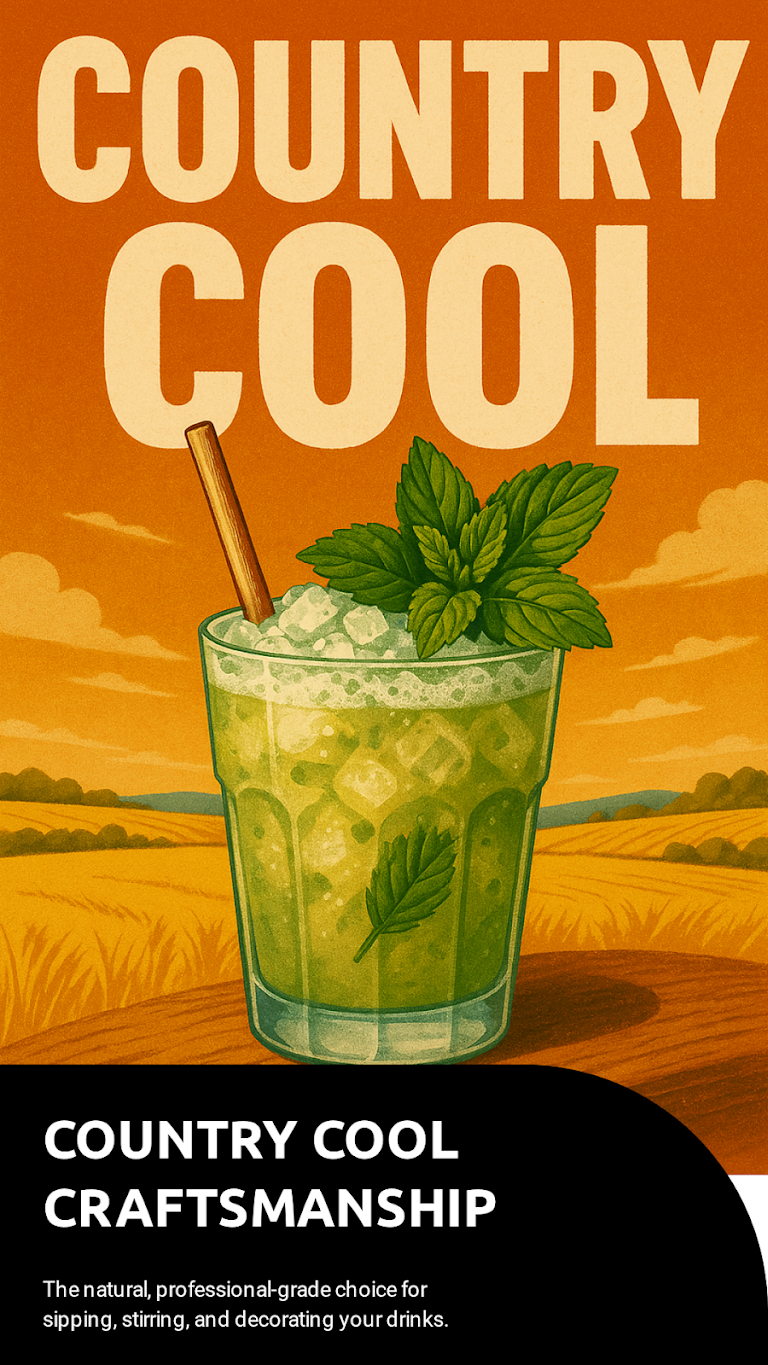
Natural Straw vs Paper Straw: The Definitive Comparison
The hospitality industry has been searching for a paper straw replacement since 2018. Most operators have tried paper, bamboo, pasta, and silicone. The answer was always in a field.
The Paper Straw Problem
Paper straws were adopted quickly because they solved the plastic problem — at least on paper. But within months of widespread adoption, the hospitality industry discovered a new problem: paper straws are terrible.
They go soggy within minutes. They leave a pulpy residue in the drink. They transfer a distinctive paper taste that ruins carefully crafted cocktails and specialty coffee. And they are not actually compostable in most municipal systems — the adhesives and coatings used to make them water-resistant often prevent proper breakdown.
A 2023 study published in Food Additives and Contaminants found PFAS (per- and polyfluoroalkyl substances) — so-called "forever chemicals" — in 18 of 20 paper straw brands tested. The paper straw, marketed as an environmental solution, turned out to contain some of the most persistent synthetic chemicals known.
What a Natural Grass Straw Actually Is
A natural grass straw — specifically a hollow natural grass stem — is not a manufactured product. It is a plant. The hollow stem of certain grass varieties grows naturally as a tube, perfectly sized for drinking. It has been used as a drinking straw for thousands of years, long before plastic was invented.
The modern natural straw is simply the same thing, grown, dried, and cut to length. One ingredient. No processing. No additives. No coatings. No chemicals. The waterproofing and taste-neutrality come from the lignified cell walls of the grass stem itself — a biological property of the plant, not a manufacturing step.
Head-to-Head Comparison
| Criterion | Paper Straw | Natural Grass Straw |
|---|---|---|
| Durability | Goes soggy in 15–30 minutes | Holds structure for hours |
| Taste transfer | Distinctive paper taste | Completely neutral |
| Ingredients | Paper, adhesives, coatings, often PFAS | One: hollow grass stem |
| Compostability | Often not compostable (coatings) | 100% compostable, no additives |
| PFAS content | Found in 90% of brands tested | None — no synthetic materials |
| Hot drinks | Disintegrates quickly | Handles hot and cold |
| Guest experience | Negative — guests notice the taste | Positive — guests ask about it |
| Brand story | "We switched from plastic" | "One ingredient, grown on a farm" |
The Sustainability Reality
Paper straws require manufacturing, chemical treatment, and often contain synthetic adhesives. They are shipped from factories. They are not always accepted in commercial composting facilities. And as the PFAS research shows, they may introduce persistent pollutants into the waste stream.
A natural grass straw is grown in a field, dried in the sun, and cut to length. The carbon footprint of growing grass is negative — the crop sequesters carbon during growth. There is no factory, no chemical treatment, no synthetic materials. When it enters a compost bin, it breaks down completely.
The Verdict for Hospitality Operators
If you are running a bar, café, or hotel, the choice is straightforward. Paper straws damage the guest experience, carry sustainability risks, and require you to tell a story that is, at best, incomplete. Natural grass straws improve the guest experience, carry a genuinely clean sustainability story, and give your team something honest to say when guests ask.
The question is not whether to switch. The question is when.
"Paper straws suck. Naturally Straws sip."
Request a Free Sample